By Gail Rudolph | Ethical Influence & Communication Expert
Imagine walking into a room and instantly feeling uncomfortable—without a single word spoken.
That’s the power of nonverbal communication.
Recently, Science of People asked over 6,000 people a revealing question:
???? “What’s your biggest nonverbal pet peeve?”
The responses were not only fascinating, they were deeply telling—and incredibly useful for anyone who wants to increase their influence, improve connection, and lead with confidence.
Whether you’re closing a sale, asking for a donation, leading a team, or networking with new contacts, your body language speaks before you do. And when it sends the wrong signals? You risk losing trust, credibility, and connection—before you’ve even opened your mouth.
Let’s break down the top six nonverbal offenders—and more importantly, how to fix them with intention and ease.
1. Standing Too Close
30.76% of people say this is their biggest pet peeve.
Personal space is powerful—and when someone invades it, it triggers immediate discomfort. Whether it’s a networking event or a donor meeting, getting too close can cause others to shut down emotionally or retreat altogether.
Fix:
Use the “personal zone” rule—about 18 inches to 4 feet in Western cultures—for most conversations. Respecting space communicates emotional intelligence, confidence, and safety.
2. Too Little Eye Contact
20.58% found this unsettling.
Too little eye contact sends a message: “I’m not interested,” or worse, “I’m hiding something.” While the myth that liars avoid eye contact persists, studies show the opposite—liars often overcompensate by staring too much.
Fix:
Aim to hold eye contact 50–60% of the time during conversations. Use a “triangle gaze”—gently moving your focus between the other person’s eyes and mouth—to appear more present and engaged without being intense.
3. Too Much Touching
16.05% said this made them uncomfortable.
Unwanted physical contact—arm grabs, back pats, or overly enthusiastic handshakes—can easily cross personal boundaries and feel intrusive.
Fix:
Touch should follow rapport, not replace it. Wait for mutual signals of connection. If you’re on the receiving end and feel uncomfortable, a slight body shift or crossed arms can subtly signal a boundary without escalating the moment.
4. Too Much Eye Contact
14.86% of respondents felt this was overwhelming.
Excessive, unblinking eye contact doesn’t come off as confidence—it feels like a stare-down. It’s the kind of intensity that triggers discomfort instead of trust.
Fix:
Use natural “eye contact breaks” every 5–7 seconds. Glancing away thoughtfully (not distractedly) signals engagement and gives others room to breathe.
5. A Bad Handshake
9.82% reported this as a lasting negative impression.
We’ve all felt one: too limp, too strong, too long. A handshake should signal confidence and connection—not control or weakness.
Fix:
The “Goldilocks handshake” is your go-to: firm (not crushing), dry (never clammy), and 1–3 pumps—then release.
6. A Bad Hug
7.94% said an awkward hug left them uncomfortable.
Too short, too long, or worse—the dreaded limp fish hug. Hugs should never feel obligatory or forced.
Fix:
Only go for a hug when there’s mutual warmth and clear rapport. Keep it short—1 to 2 seconds—and mirror the other person’s level of enthusiasm.
Why This Matters in Sales, Fundraising, and Leadership
As someone who trains others in ethical influence, I’ve seen time and time again how nonverbal cues can make—or break—your impact. The wrong signal can shut down a conversation before it ever starts.
????Here’s what I teach in my programs:
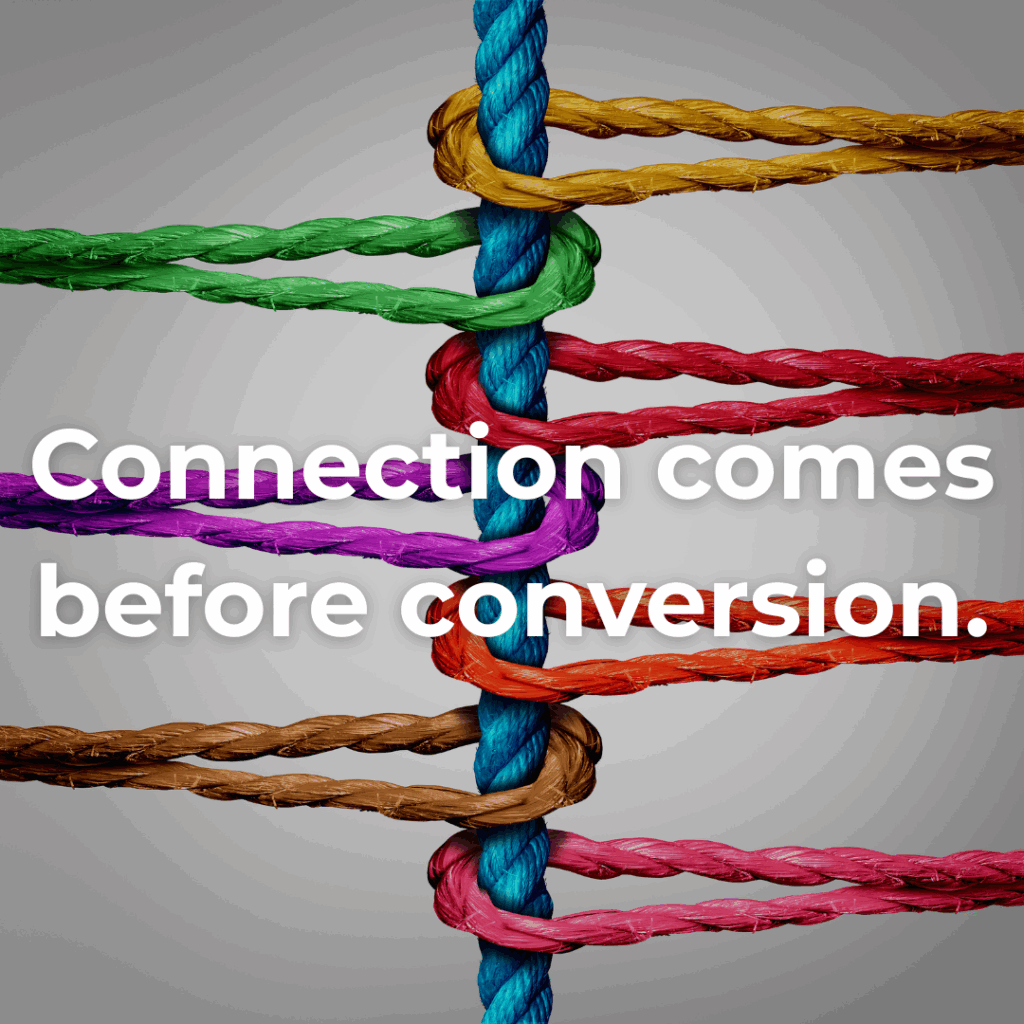
“Connection comes before conversion.”
If someone feels physically or emotionally uncomfortable, they’re unlikely to say yes—whether it’s to a product, a gift, a service, or even an idea.
Try This Today:
Ask someone you trust:
???? “What’s your biggest nonverbal pet peeve?”
Their answer might surprise you—and give you powerful insight into how to show up with even more presence and impact.
