We’ve been sold a lie.
We’ve been told that conflict is about winning. That disagreement means someone’s wrong. That resolution only happens when one side gets what they want and the other side backs down.
And that lie is costing us our most important asset: relationships.
In boardrooms and breakrooms, between friends and families, even on social media—when conflict shows up, people choose to retreat, argue, or attack. They shut down or shut others out. Collaboration? Connection? Understanding? Out the window.
We see the other person as the opponent instead of the partner.
But here’s the truth:
Conflict isn’t the problem. It’s the opportunity.
It’s an opening to connect, to communicate better, and to influence with integrity.
If you’re willing to shift your mindset and build the right skill set, conflict becomes the turning point—not the breaking point.
The Cost of Avoiding Conflict
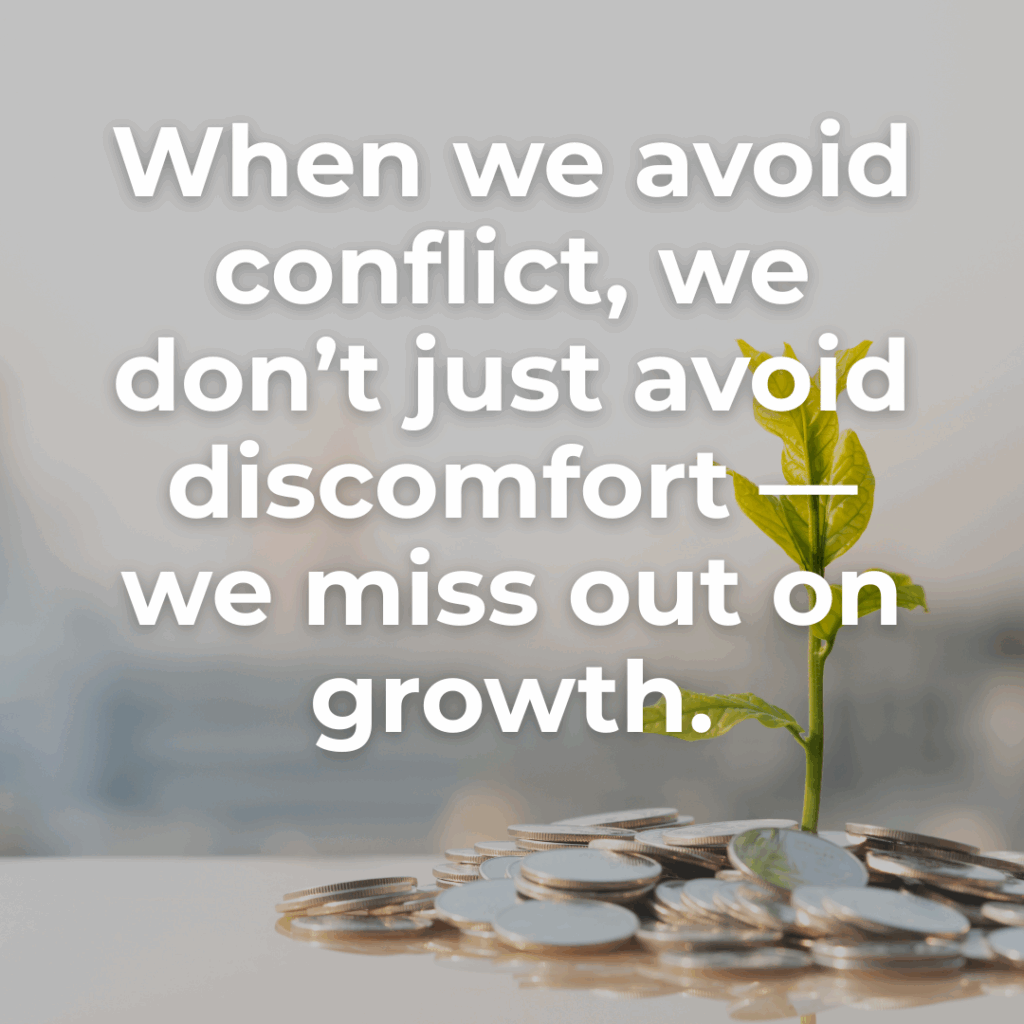
When we avoid conflict, we don’t just avoid discomfort—we miss out on growth.
Avoidance leads to unspoken resentment.
Passive-aggression replaces honesty.
Tension builds beneath the surface, eroding trust quietly until something snaps loudly.
This is especially dangerous in leadership, sales, fundraising, and personal relationships. Because unresolved conflict doesn’t just sit still—it spreads. It colors every conversation. It slows down decisions. It breaks momentum. And it breaks people.
That’s why learning to handle conflict ethically and skillfully is no longer optional. It’s essential.
The Reframe: Conflict as an Influence Opportunity
Every disagreement, every moment of tension, is actually packed with influence potential—if you know how to unlock it.
Let’s break it down using Dr. Robert Cialdini’s Principles of Ethical Influence, which I teach around the world:
Reciprocity
When you enter conflict with an open mind, ready to listen rather than lecture, you signal goodwill. This creates a natural pull for the other person to meet you halfway. You give understanding; they feel compelled to reciprocate.
Liking
We’re more likely to find resolution with people we like. Liking isn’t about being fake—it’s about showing genuine curiosity, humanity, and warmth, even in disagreement. When people feel seen and respected, they lean in.
Authority
True authority isn’t about dominance. It’s about presence under pressure. When you model calm, constructive conflict resolution, people trust you more. Your ability to lead through hard moments earns lasting influence.
Social Proof
When you become the kind of leader who navigates conflict with empathy and clarity, others notice. Your behavior becomes the example. People follow what they see modeled—especially when it works.
Commitment & Consistency
When people are invited into the resolution process—when they help shape the solution—they become more committed to it. Collaborative problem-solving creates shared ownership, which increases follow-through and unity.
Scarcity
Let’s be honest: leaders who can manage conflict well are rare. Relationships that get stronger through disagreement are rare. Teams that trust each other enough to speak truth and stay connected? Rare. And valuable.
Real Influence Happens in the Hard Moments
Everyone communicates well when things are easy. But real influence is revealed in the tension.
In the pause before the reply.
In the willingness to listen, not just reload.
In the discipline to remain open even when you feel defensive.
It’s emotional precision. Active listening. Power with, not power over.
It’s learning to lead through conflict—not around it.
These aren’t just “nice to have” skills.
They’re the difference between a surface connection and a sustainable one.
Between short-term deals and long-term trust.
Between leadership that manages and leadership that moves people.
So, What Can You Do Differently?
Here’s how you start making conflict a connection point:
- Shift your mindset. Don’t see conflict as something to survive. See it as something to use—to grow, to understand, to lead better.
- Listen to understand, not to reload. Step into the other person’s shoes. Ask, “What might be true for them?”
- Lead with influence, not control. Offer your perspective with clarity, but invite theirs too. Let the solution be co-created.
- Model calm and respect. You don’t have to agree with someone to value them. Emotional steadiness is magnetic.
- Remember what’s at stake. Every conflict is a fork in the road: connection or disconnection. Choose consciously.
Final Word: Influence Is a Relationship Skill
People often ask me, “What’s the most powerful thing I can do to increase my influence?”
Here’s my answer:
Become the person who brings calm to conflict.
Who doesn’t flinch when conversations get hard.
Who sees conflict not as a threat—but as a trust-building moment waiting to happen.
In a world where disconnection is easy and blame is common, this kind of relational leadership is rare. And that makes it powerful.
The good news? It’s learnable.
The better news? You don’t have to do it alone.
Let’s build the skills that help you turn conflict into connection—and connection into lasting influence.
