
Have you ever had your trust violated?
Most of us have. And if you’re like many people I work with, you know it’s not just emotionally painful, it often carries real consequences.
The truth is, the people we place our trust in have tremendous influence over our outcomes, our relationships, careers, businesses, health, and even our ability to feel safe. That makes trust more than just a warm and fuzzy feeling. It’s a powerful force that determines how we move through the world.
In my work on ethical influence and interpersonal power, I’ve learned that knowing who to trust (and who not to) is like having a key that unlocks a safe space where you can truly thrive. It gives you the confidence to take risks, the freedom to create, and the clarity to form strong, reciprocal relationships.
Here are some practical and profound things to consider when evaluating trust:
What Does Trust Really Mean?
One of my favorite definitions of trust is this:
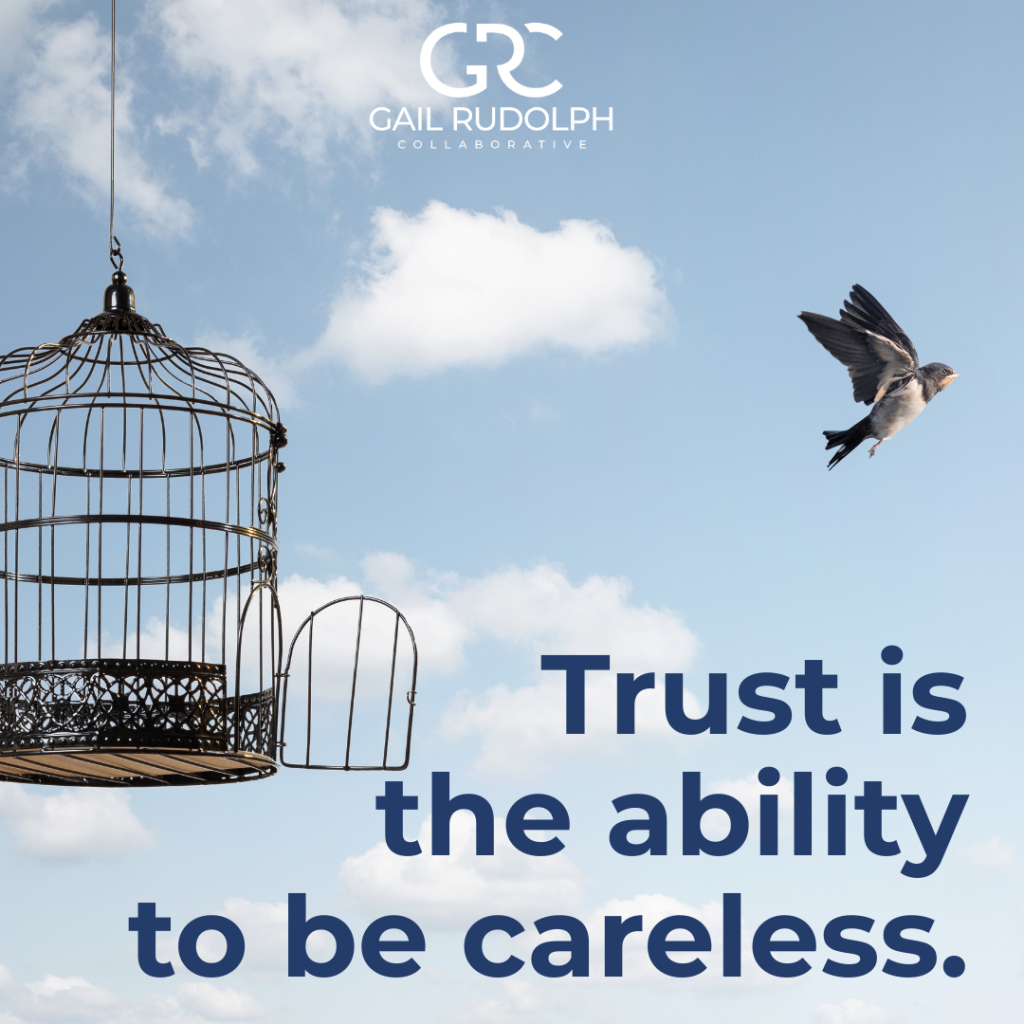
“Trust is the ability to be careless.”
In other words, when we trust someone, we no longer have to vigilantly monitor what we’ve entrusted to them. We relax. We exhale. That “carelessness” isn’t irresponsibility – it’s freedom.
What Should You Look For in Someone You Trust?
- Intent: Ask yourself, Is this person for me? Or are they mostly focused on what benefits them? When someone is truly in your corner, their intentions show up in subtle but powerful ways.
- Capacity: Good intentions alone aren’t enough. If someone’s been given a task or responsibility, do they have the skills, knowledge, and time to follow through?
- Character: We trust character patterns, not just moments. Are they loving? Honest? Humble? Disciplined? Curious? Think about which traits are most important in the relationship and look for consistency.
- Track Record: People trust what we do, not what we say. Look at their behavior over time. That’s where trust lives.
- Values: Are they grounded in values bigger than themselves? Values are the compass that keep people consistent, especially when life gets tough.
- Empathy: Ask, If I were in their shoes, how would I want to be treated? This question changes how we see people, and how we discern trustworthiness.
Build a Life Where Trust Is the Foundation
Take a few minutes today to reflect, or journal, about your recent experiences with trust. Contrast them with past ones. Then ask yourself:
- Am I creating an environment where trust can thrive?
- Do I have the structure in place to build or rebuild trust?
- What’s one relationship where I could lean into trust more—or protect myself better?
Trust is a key. And when you hold it wisely, it opens doors to the most life-giving spaces of your life.
